
Estimated reading time: 6 minutes
Asbestos still exists in many older Ohio homes — particularly in exterior siding, soffits, and roofing assemblies. When it is properly identified and professionally abated, it can be a routine (though regulated) part of an insurance loss.
When it is not properly abated, it can become a serious legal, financial, and claims-handling problem.
We are seeing more disputes arise during appraisal and settlement where asbestos was identified, but then removed by unlicensed parties, with no documentation, no disposal records, and no regulatory compliance. These situations place everyone involved — contractors, property owners, and even claim professionals — at risk. Sometimes the asbestos removal is initiated by the policyholder. In other situations, removal has been initiated by a contractor as an added value of the repair services.
This article explains why unlicensed abatement work is not just a billing issue, but a regulatory violation, and how it can jeopardize the policyholder and all parties associated with the recovery.
The Scenario We’re Seeing More Often
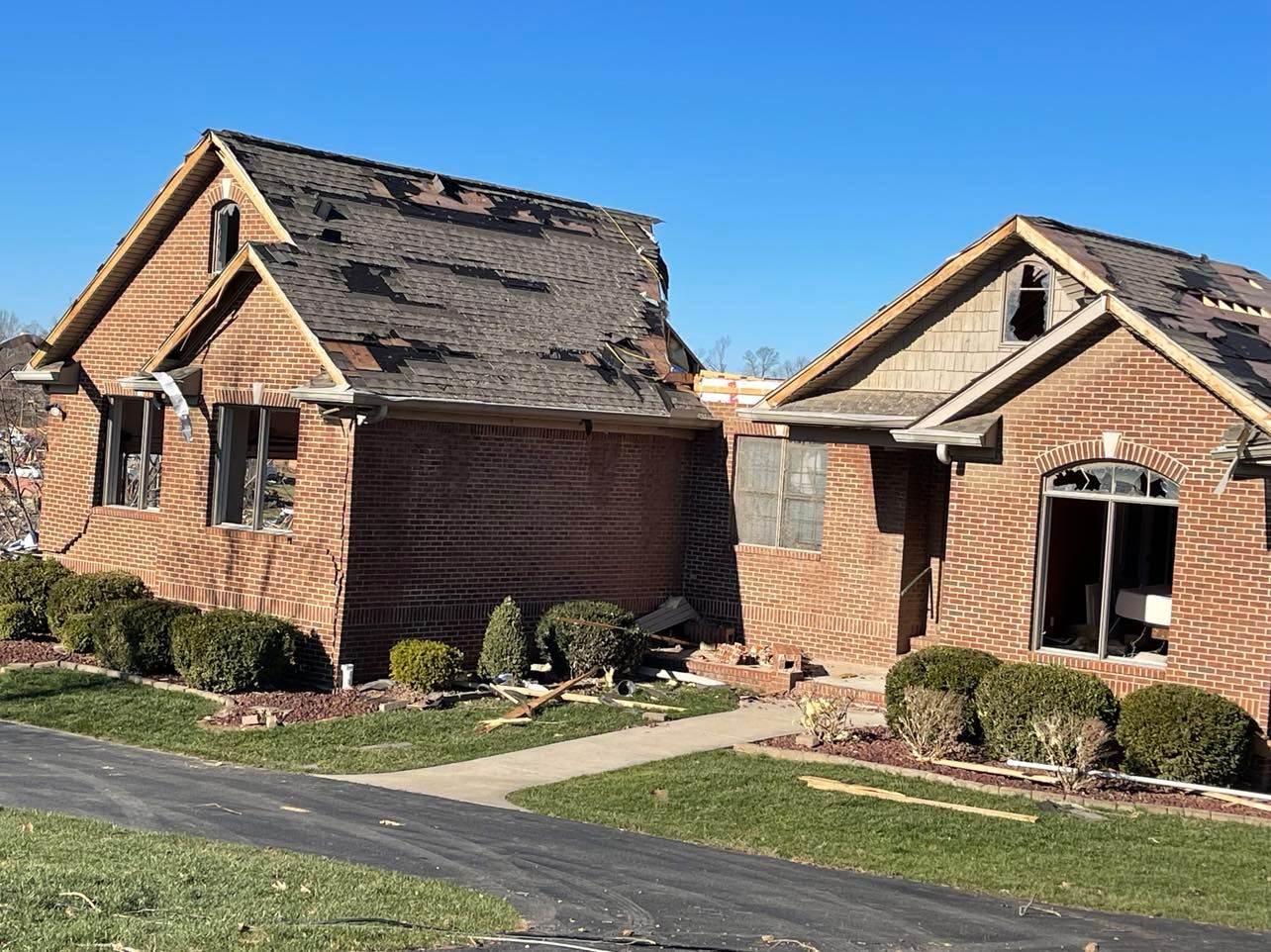
In a recent appraisal matter, asbestos-containing materials were identified on the exterior elevations of a residential property. A report confirmed its presence — which was appropriate and necessary.
However, the roofing and siding contractor removed the asbestos themselves. While the work may have been completed properly, it was performed without the direction of a licensed abatement company. Because the individuals involved in performing the work were not licensed asbestos abatement specialists:
There was no documentation of:
- Removal methods
- Containment procedures
- Air monitoring
- Transportation or disposal of hazardous materials
The contractor billed the work using abatement-level pricing, not standard roofing or siding labor. The resulting disputed claim costs exceeded $30,000, with approximately $10,000 billed specifically for asbestos removal. While this likely saved the policyholder costs for the abatement work — we have seen invoicing run double this cost for similar jobs of this type — the manner of the job performance causes justifiable points of contention.
Is This a Violation of Ohio or Federal Law?
Yes. It is a violation of both.
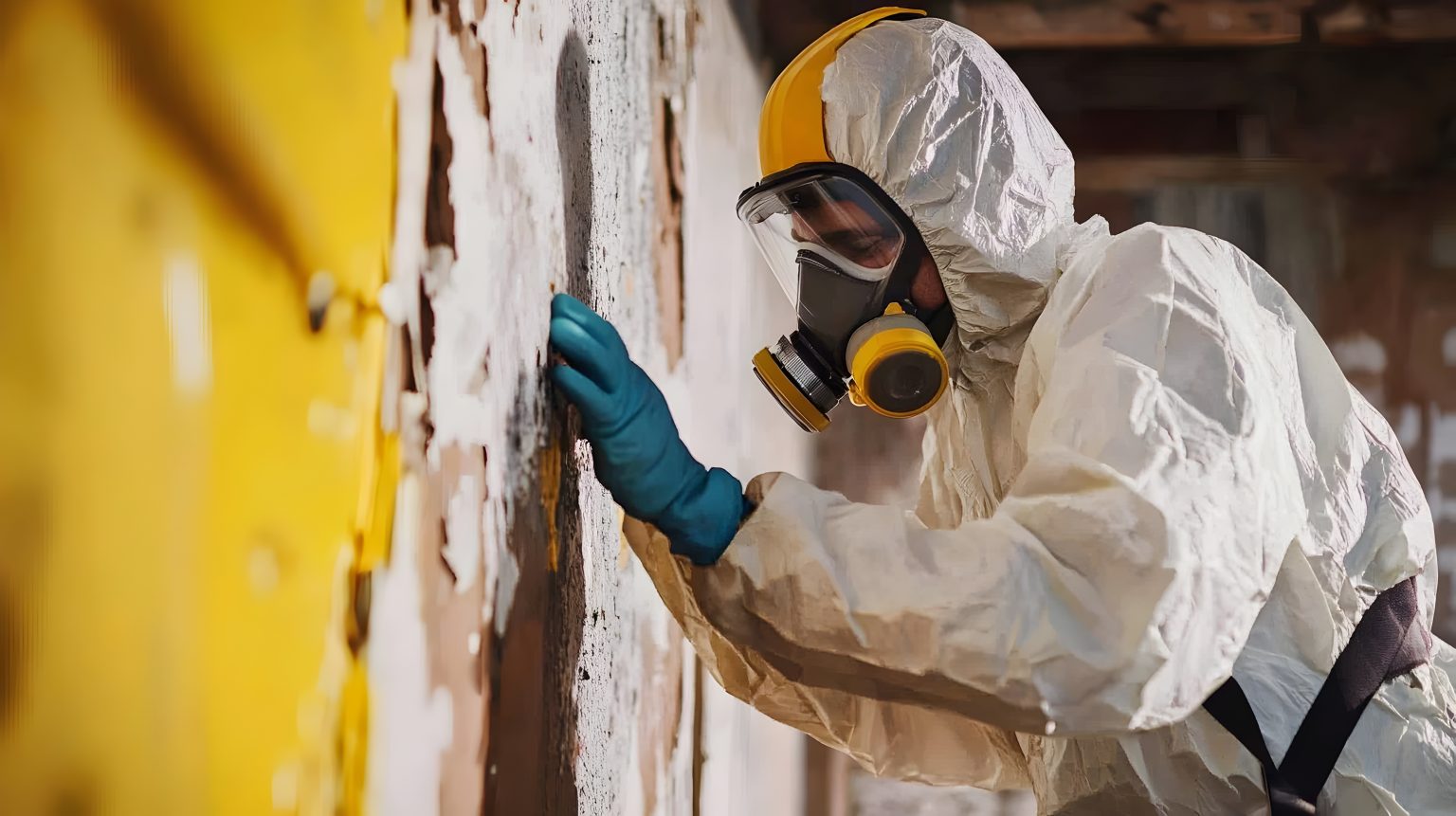
Under Ohio law and federal environmental regulations, asbestos removal is a highly regulated activity. Only properly licensed and certified abatement contractors may disturb, remove, transport, or dispose of asbestos-containing materials. Unlicensed removal may violate:
- Ohio Department of Health asbestos regulations
- Ohio EPA environmental rules
- Federal EPA standards under the Clean Air Act
United States Environmental Protection Agency enforcement applies regardless of whether the work was “successful” or not. Intent does not cure noncompliance.
Because the remaining disputed payments were not authorized by the insurance carrier, the case was referred to our company for appraisal to help resolve the dispute.
A Professional Balancing Act: The Appraiser’s Ethical Consideration
Situations like this highlight a quiet but important tension that can arise during appraisal.
A policyholder appraiser is often retained to help advance the client’s interests by valuing the full scope of loss as accurately and fairly as possible. At the same time, appraisers carry an independent professional obligation to remain objective, defensible, and compliant with applicable standards and regulations.
When work has been performed in a manner that raises questions — such as incomplete documentation, unclear verification, or regulatory gray areas — the appraiser is placed in a delicate position. The role is not to judge conduct or assign fault, but it is also not to simply accept every claimed cost at face value without support.
In practical terms, this means an appraiser may need to:
- Identify where documentation gaps exist
- Note assumptions or limitations in valuation
- Avoid certifying costs that cannot be independently verified
- Preserve the integrity of the appraisal process for all parties
This does not mean the policyholder’s claim lacks merit, nor does it predetermine how the matter will resolve. It simply reflects the reality that appraisal requires balancing the policyholder’s claims with professional responsibility, especially in technically regulated areas like environmental or specialty trades.
The Appraisal Dilemma: Who Bears the Risk?
In appraisal, the panel’s responsibility is to determine the amount of loss — not to opine upon or to excuse regulatory violations. The specific practice of appraisal is different from claims management or administration which bears a duty to ensure any authorized work is in compliance with the local or federal Authorities Having Jurisdiction (AHJ).
The appraiser’s role in Ohio is to act in an unbiased manner in evaluation of the property. The appraiser has to professionally interpret damages caused by the “covered peril.” In context, this does not mean the appraiser performs the role of the insurance company or the court system. The appraiser is charged with determining what repairs are reasonable, related and necessary in order to bring resolution to the dispute between the policyholder and the insurance company. In doing so, the amount of loss is set and the claim dispute is typically concluded by this process.
But when unlicensed repair work has been completed and is included in the disputed loss, we have to consider the following:
- Does awarding repair for asbestos removal in the appraisal legitimize unlawful work?
- Will it expose the policyholder to future liability in the event the work was not properly executed?
- Can it place the appraiser at professional risk for including this work in the repair scope?
Liability does not end with the contractor. If anyone is harmed — occupants, neighbors, workers — liability can extend well beyond the contractor’s invoice.
Unlicensed asbestos removal exposes multiple parties to potential liability. Contractors can face civil penalties or EPA fines. Property owners can face exposure claims. Claims professionals can face ethical or professional scrutiny if illegal costs are endorsed.
The Other Elephant In The Room
Can a Contractor Bill for Abatement Work If They Aren’t Licensed?
While a contractor may argue, “We did the work,” insurance recovery is not based solely on performance — it is based on allowable, lawful, and verifiable costs. So, of course, anyone performing work can invoice for their performance. The overarching question is should the contractor bill the insurance company for work that was not performed in accord with state and federal regulations?
When asbestos is removed legally, the insurance file typically includes one or more of the following:
- Pre-abatement inspection reports
- Licensing credentials
- Containment and removal logs
- Air clearance testing
- Disposal manifests from approved facilities
If none of this documentation exists, but there is proof of work performance, insurance adjusters are left with an impossible question: How do we know the asbestos was completely removed — and do we bear liability for approving payment for work not performed legally?
Without proof, the claim faces three unattractive options:
- Exclude the cost entirely due to lack of verification
- Re-open finished construction to confirm removal
- Negotiate a reduced or alternative rate that does not recognize abatement pricing
In addition, the invoice billing abatement-level pricing without abatement credentials creates several problems; namely, the insurer may reject the line item outright. Even worse, recognizing those charges in an appraisal award may implicitly validate illegal conduct.
These considerations highlight why appraisal is rarely a mechanical exercise and instead requires thoughtful evaluation of both the scope presented and the manner in which it can be responsibly valued.
Handled carefully, this approach helps protect the policyholder, the appraisal process, and the ultimate enforceability of any settlement or award — which, in the long run, benefits everyone involved.
A Consumer Advocacy Disclaimer
Green Public Insurance Adjusting advocates for lawful, documented, and defensible claims practices that protect policyholders from future harm.
We do not employ attorneys and we do not provide legal advice. When regulatory or legal issues arise, property owners should consult qualified environmental professionals and legal counsel.
Interested in this article? Here’s some additional Recommended Reading:
- Who Determines An Appraiser’s Competence?
- When The Umpire Goes Silent: Replacing An Umpire In The Insurance Appraisal Process
- The Dangers Of Aggressive Contractors In Home Insurance Claims
- How Matching Law Is Shaping the Future of Insurance Appraisals
- ACV Vs. RCV Explained: Why Your Insurance Check Is Usually Less Than Your Loss