
Tag: Client Relations

Public Adjuster Overcoming Fee Concerns and Building Strong Customer Relationships

Overcoming Fee Concerns To Build Strong Client Relationships

Many homeowners initially hesitate to hire a public adjuster because they worry that paying a fee will reduce their ability to complete repairs. These concerns often arise from fear, confusion about the insurance process, and the mistaken belief that the carrier’s adjuster represents their interests. Public adjusters can overcome these concerns by reframing the conversation around outcomes, not costs—showing how professional documentation, code analysis, and negotiation typically increase the overall recovery well beyond the fee. Sharing real examples, acknowledging emotional stress, clearly outlining the adjuster’s role, and offering simple explanations help build trust and clarity.

Effective client relationships begin with transparency, mutual understanding, and clear expectations about how the partnership works. Public adjusters must also take special care when working with elderly, disabled, or otherwise vulnerable policyholders, ensuring compliance with consumer-protection laws and providing extra clarity and sensitivity. When handled thoughtfully, fee concerns become an opportunity to educate, reassure, and form stronger, more collaborative client relationships.

Read More »
Understanding Public Adjuster Fees

“Will This Cost Me Anything?” The Hidden Cost of Going Without a Public Adjuster

Many policyholders approach a public adjuster with the expectation that services should be free or that fees will reduce their ability to complete repairs, but these concerns often stem from fear, misunderstanding of the claims process, and financial stress after a loss. Homeowners frequently assume the insurance company’s adjuster is working on their behalf, leading them to question why they should pay for their own advocate. This mindset can create difficult client relationships, especially when individuals are unwilling to recognize the value a public adjuster brings in identifying overlooked damages, negotiating supplements, and securing a more accurate recovery.

The discussion also raises the question of whether fee-averse clients are a good fit for representation. While some simply need education and reassurance, others exhibit signs of distrust, unrealistic expectations, or resistance to professional guidance—factors that can undermine the entire claims process. Public adjusters must balance compassion with clear boundaries and remain attentive to state consumer-protection rules, especially when working with elderly or vulnerable policyholders.

Understanding a prospective client’s concerns early on helps public adjusters determine whether the relationship is workable and sets the stage for a smoother, more successful claim experience for both parties.

Read More »

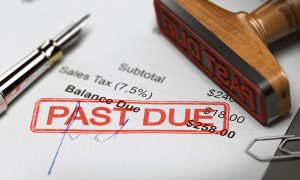
All’s Fair in Business and Collections

When service professionals complete their work but payment is delayed or withheld, fairness and financial stability are jeopardized. Public adjusters, like many licensed professionals, face unique restrictions that often prevent adding collection fees to unpaid accounts — yet they still must recover what is owed without violating regulatory boundaries.

To prevent disputes, contracts should clearly define when payment is due, how it may be processed, and what remedies exist for nonpayment. Keeping detailed records of all communications and transactions strengthens the ability to prove entitlement if funds are misdirected or delayed.

If recovery becomes necessary, professionals should pursue lawful options such as written demand notices, small claims actions, or using licensed collection agencies where permitted. Strengthening future relationships through transparent agreements, direct payment methods, and compliance reviews helps avoid similar issues.

Ultimately, ensuring fair payment practices is both a matter of legal compliance and professional integrity — protecting the value of services rendered and the trust between all parties involved.

Read More »

Walking the Line: Staying Neutral When Ego Enters the Room

When two parties clash over ego or personality differences, resolving the issue often becomes less about facts and more about feelings. Professionals caught in the middle must balance empathy with objectivity — listening to both sides without being drawn into personal loyalties or emotional narratives.

Maintaining neutrality requires a focus on documentation, process, and shared objectives rather than assigning fault. Clear communication, factual summaries, and forward-looking language help redirect energy toward productive solutions. Setting healthy boundaries and avoiding private alliances preserve credibility and prevent further escalation.

Ultimately, successful conflict resolution relies on professionalism, transparency, and emotional discipline — guiding all sides toward mutual respect and a common outcome, even when egos are at their loudest.

Read More »

Invoicing Best Practices for Public Adjusters: Setting Expectations and Protecting Your Business

In the world of public insurance adjusting, invoicing isn’t just about getting paid—it’s about setting the tone for a professional relationship rooted in trust and transparency. From the moment a contract is signed, adjusters should be clear about how fees will be assessed, when invoices will be issued, and what steps will follow if payment is delayed. With high workloads and complex claims processes, taking the time to build an effective invoicing protocol can save headaches down the road and help maintain healthy client relationships.

Read More »
Satellite office in KY

Green Public

Insurance Adjusting

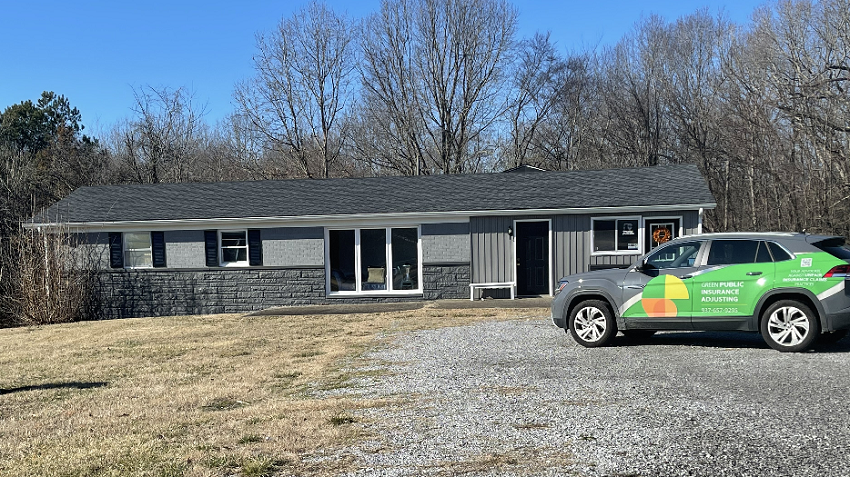
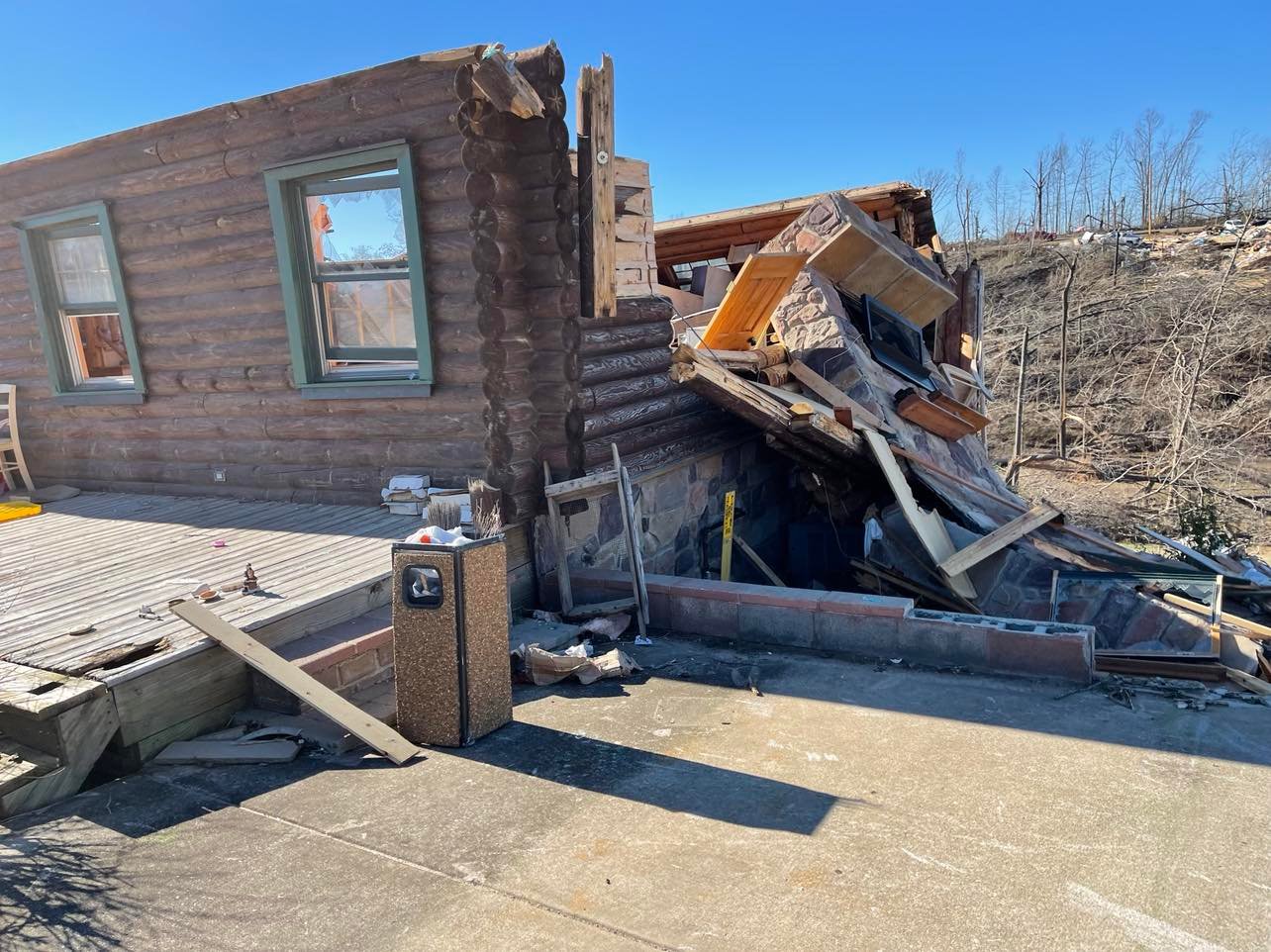
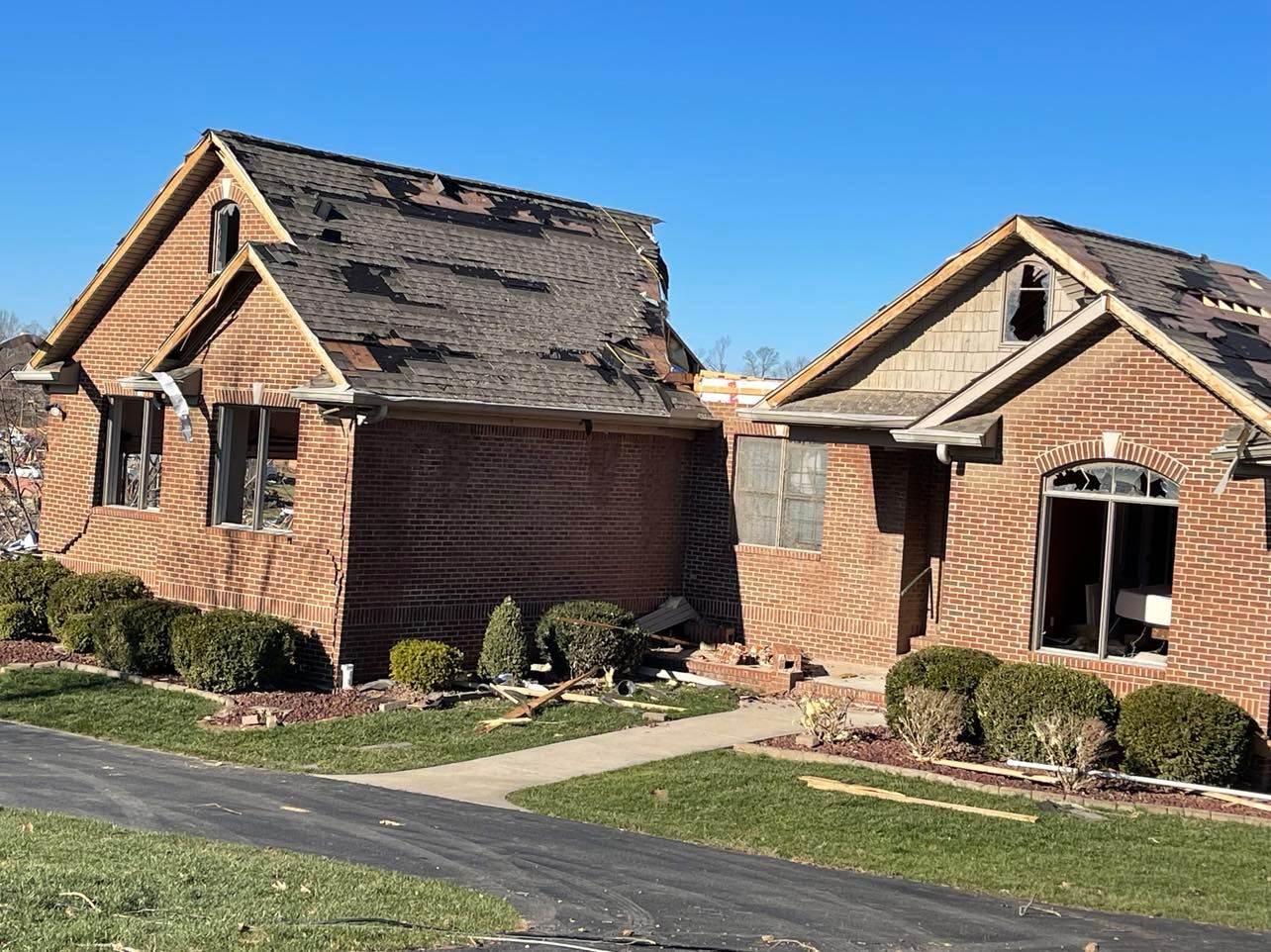
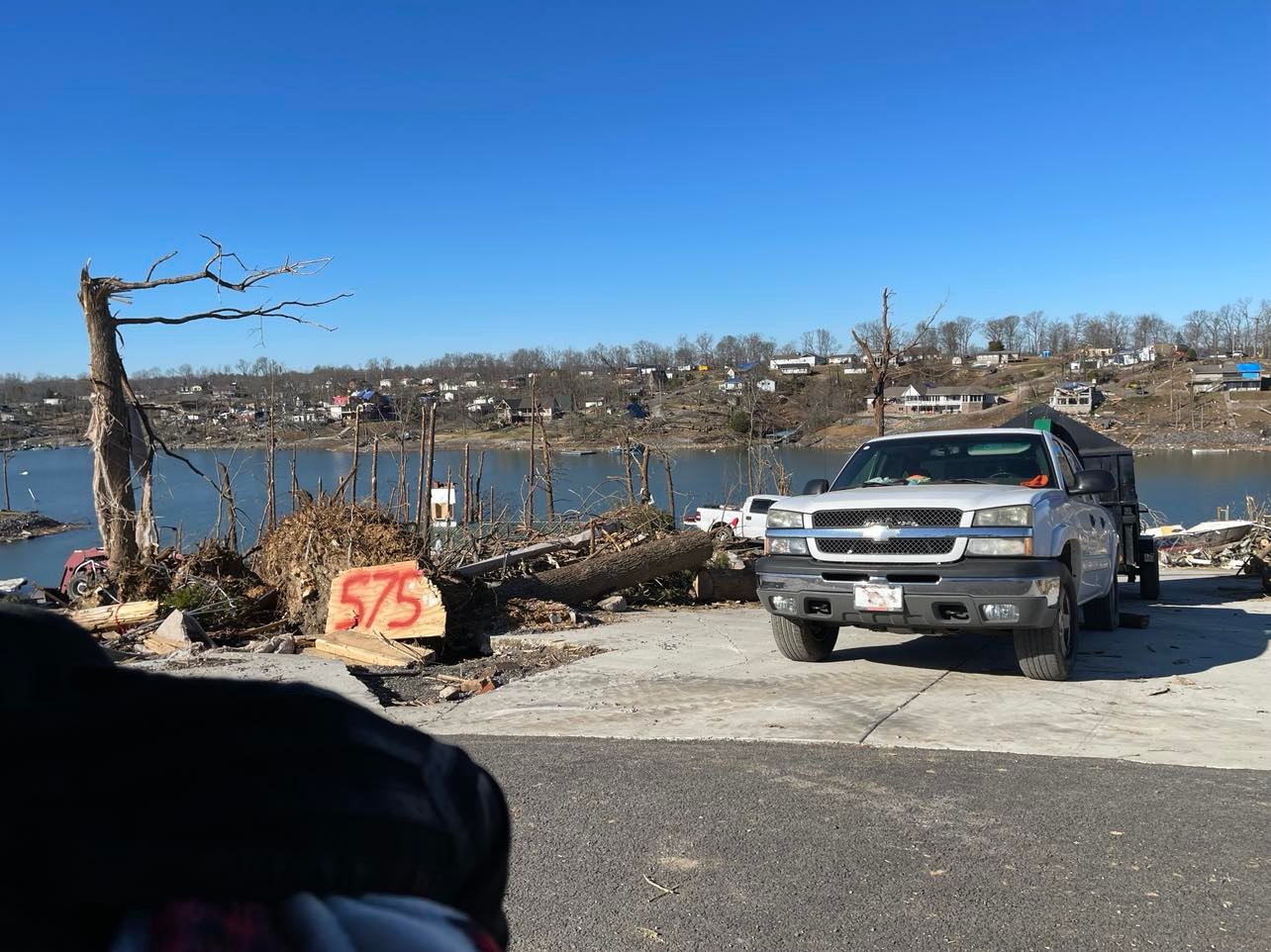
Is now in Kentucky serving clients affected by the tornados. Stop by our satellite location at 3205 US Highway 641 N in Benton, KY. We’re just down the road from the Kentucky Opry.