Immediate Help After Fire or Water Loss: (937) 401-2499

Tag: Public Adjuster

The Insurance Claim Learning Hub

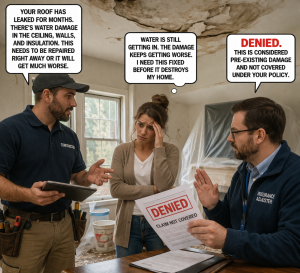
When The Insurance Company Won’t “Approve” Repairs — But Might Deny Them Later

When the Insurance Company Won’t “Approve” Repairs — But Might Deny Them Later

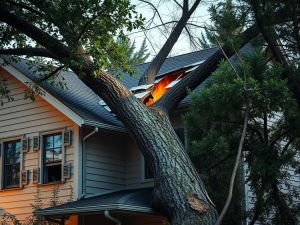
When a property is damaged, homeowners are often caught between three competing pressures: a contractor recommending necessary repairs, worsening conditions that demand immediate action, and an insurance company refusing to approve or cover the work. This creates a high-risk situation where making the wrong decision can lead to significant out-of-pocket costs.

The key challenge is that insurance carriers often avoid “authorizing” repairs, yet may later deny payment for work they believe was unnecessary or not covered. Meanwhile, delaying action can result in additional damage that may not be reimbursed if it’s deemed preventable.

To navigate this, property owners must balance urgency with documentation and clarity. Critical decisions should focus on preventing further damage, clearly separating emergency mitigation from permanent repairs, and maintaining thorough records of all conditions, communications, and contractor recommendations.
Professional representation plays an important role in this process. Having an advocate who understands policy language, claim procedures, and documentation standards helps ensure decisions are made strategically—not reactively—reducing the risk of denied coverage and unexpected financial exposure.

Read More »

Ethics, Compliance, and Responsibility: Reflections from the Iowa Claims Conference 2026

Ethical claims handling depends on disciplined processes, regulatory awareness, and a clear commitment to acting in the policyholder’s best interest. Professionals must maintain complete, well-documented files, communicate transparently without promising outcomes, and recognize when conflicts of interest require disclosure or limitation of their role.

Strong compliance practices—such as proper documentation, timely filings, and adherence to professional standards—help ensure claims are handled fairly and defensibly.

Ultimately, maintaining integrity, independence, and accountability throughout the claims process protects both the policyholder and the credibility of the professionals involved.

Read More »
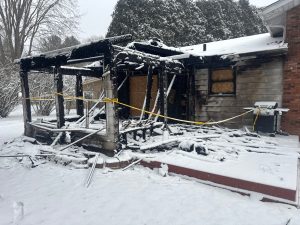
Photo of house following total loss fire damage

My House Caught on Fire! What Do I Do?

After a house fire, early decisions can have a lasting impact on the outcome of an insurance claim. Homeowners should prioritize a thorough investigation and inspection of the property, as fire, smoke, heat, and water damage often extend well beyond what is immediately visible.

Understanding Additional Living Expense coverage is also critical, as approvals and reimbursements can be delayed or disputed without proper documentation. Just as important, damaged or water-logged personal property should not be discarded without written authorization, since doing so can jeopardize the ability to recover for contents losses. Working with experienced professionals can help avoid common pitfalls.

Contact Green Public Insurance Adjusting for assistance with preparing a detailed contents inventory, which can significantly improve documentation and help maximize potential recovery under the policy.

Read More »
Surprised Policyholder Receives Insurance Check for Lesser Amount

ACV vs. RCV Explained: Why Your Insurance Check Is Usually Less Than Your Loss

Many policyholders are surprised when their first insurance payment falls far short of repair costs. This often stems from the difference between Actual Cash Value (ACV), which deducts depreciation, and Replacement Cost Value (RCV), which reflects the cost to replace damaged property. Insurers commonly issue ACV first and withhold depreciation until repairs are completed, placing a financial burden on property owners. When depreciation is overstated, damage is under-scoped, or deadlines are missed, policyholders may never recover the full replacement cost they expected. Understanding how ACV and RCV work early in a claim can help prevent delays, disputes, and unrecovered losses.

Read More »
Home Insurance Appraisal

What Does a Public Insurance Adjuster Do — and When Should You Hire One?

After property damage, many policyholders assume someone will help manage their insurance claim at no cost. In reality, professional claim advocacy is skilled, regulated work that cannot be “free” without hidden risks. Public insurance adjusters are licensed professionals who represent policyholders—not insurance companies—by documenting damage, interpreting coverage, and negotiating fair settlements. Hiring a public adjuster can be valuable in complex or disputed claims, but it requires a good-faith commitment to the contractual relationship. Seeking professional help without intending to honor those terms can disrupt the claim, create legal exposure, and ultimately harm the recovery process.

Read More »
Missed deadlines

Suit Limitation Clauses in Insurance Policies: The Deadline That Quietly Ends Claims

Suit limitation clauses in insurance policies impose strict contractual deadlines for filing lawsuits that are often much shorter than state statutes of limitations. Many policyholders and contractors mistakenly believe that ongoing claim negotiations, appraisal, partial payments, or the absence of a formal denial will pause or extend these deadlines. In reality, courts frequently enforce suit limitation provisions as written, and missing the deadline can permanently bar recovery—even when damage and underpayment are undisputed. Understanding and tracking these time limits from the date of loss is critical to preserving a policyholder’s ability to challenge claim decisions and protect their rights.

Read More »

When a Claim Fails Before It Begins: What Leonard v. State Farm Teaches About the Value of a Public Adjuster

The outcome of Leonard v. State Farm illustrates how insurance claims can fail when they are not properly documented, framed, or supported. The homeowner’s attorney attempted to argue for full roof replacement based on building code requirements, but the argument was misapplied and unsupported by the factual record. Critical evidence—such as detailed repairability analysis, code-based justification, and even the insurance policy itself—was missing from the case. As a result, the court found no basis to compel appraisal, no factual dispute over the scope of damage, and no grounds for breach of contract or bad faith.

The case highlights the important role a public adjuster can play in developing a strong claim foundation. A public adjuster would have documented repair feasibility, created a code-compliant narrative, established causation, and ensured the policy and supporting materials were properly presented. With the correct framing and a well-developed record, the homeowner’s position could have been significantly stronger.

Read More »

Proposed Pennsylvania Legislation Threatens Homeowner Recovery Rights

Pennsylvania’s proposed House Bill 1972 and its companion Senate Bill could drastically limit the ability of public adjusters to help homeowners and small business owners recover after property losses.

The bills would cap public adjusting fees at 15% on all claims and just 10% on catastrophe claims, impose a 15-business-day right of rescission, and ban adjusters from owning or receiving payment from construction or restoration companies. They also double bonding requirements and forbid any financial relationships or referrals between contractors and adjusters.

Supporters state the bills protect consumers, but in practice they would force many small adjusting firms out of business, leaving some policyholders without independent representation during the claims process. Without public adjusters, many insureds would face underpayment or delays, with little recourse other than costly litigation.

The legislation could represent a significant shift of power toward insurance companies, undermining consumer rights and professional advocacy in claim recovery. Public adjusters, homeowners, and small business owners are encouraged to contact their legislators and oppose these bills to preserve access to fair claim representation in Pennsylvania.

Read More »
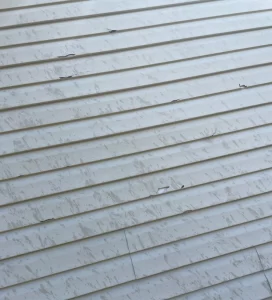
hail spatter

Does Spatter Matter? The Debate Over Hail Verification and Aluminum Siding

When hail hits, everyone starts looking for proof — and “hail spatter” often becomes the focus of debate. Does the presence or absence of spatter really determine whether damage is recent or covered? This article explores both sides of the argument, from the contractor’s field perspective to the attorney’s view of the carrier’s duty to investigate. Ultimately, while spatter can help tell the story of a storm, it’s only one clue in a much larger picture.

Read More »
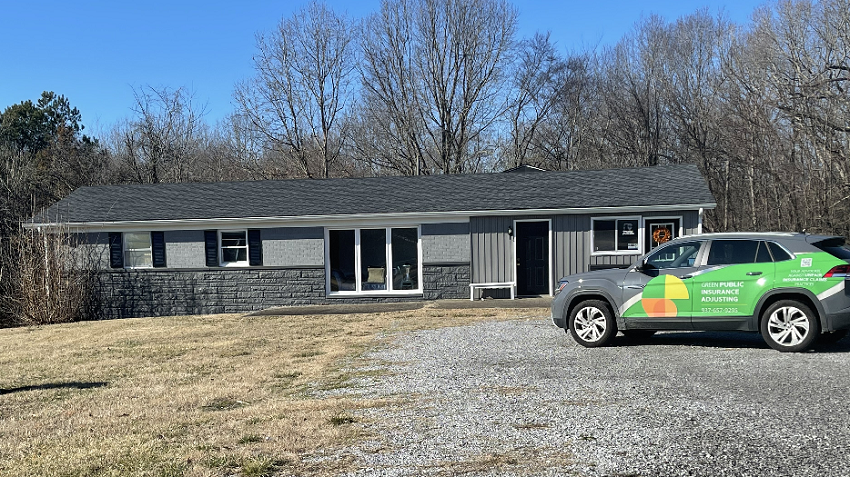
Satellite office in KY

Green Public

Insurance Adjusting

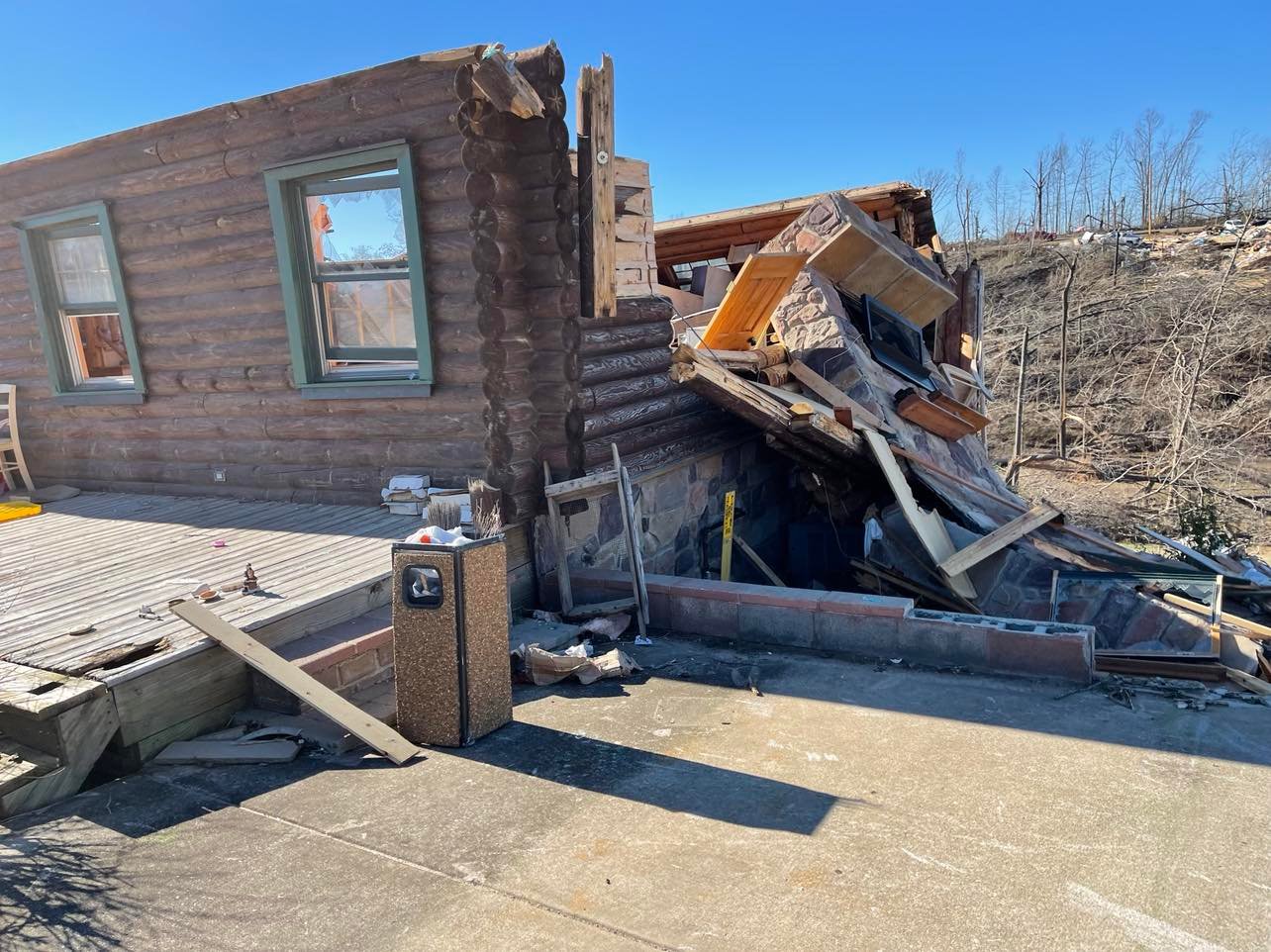
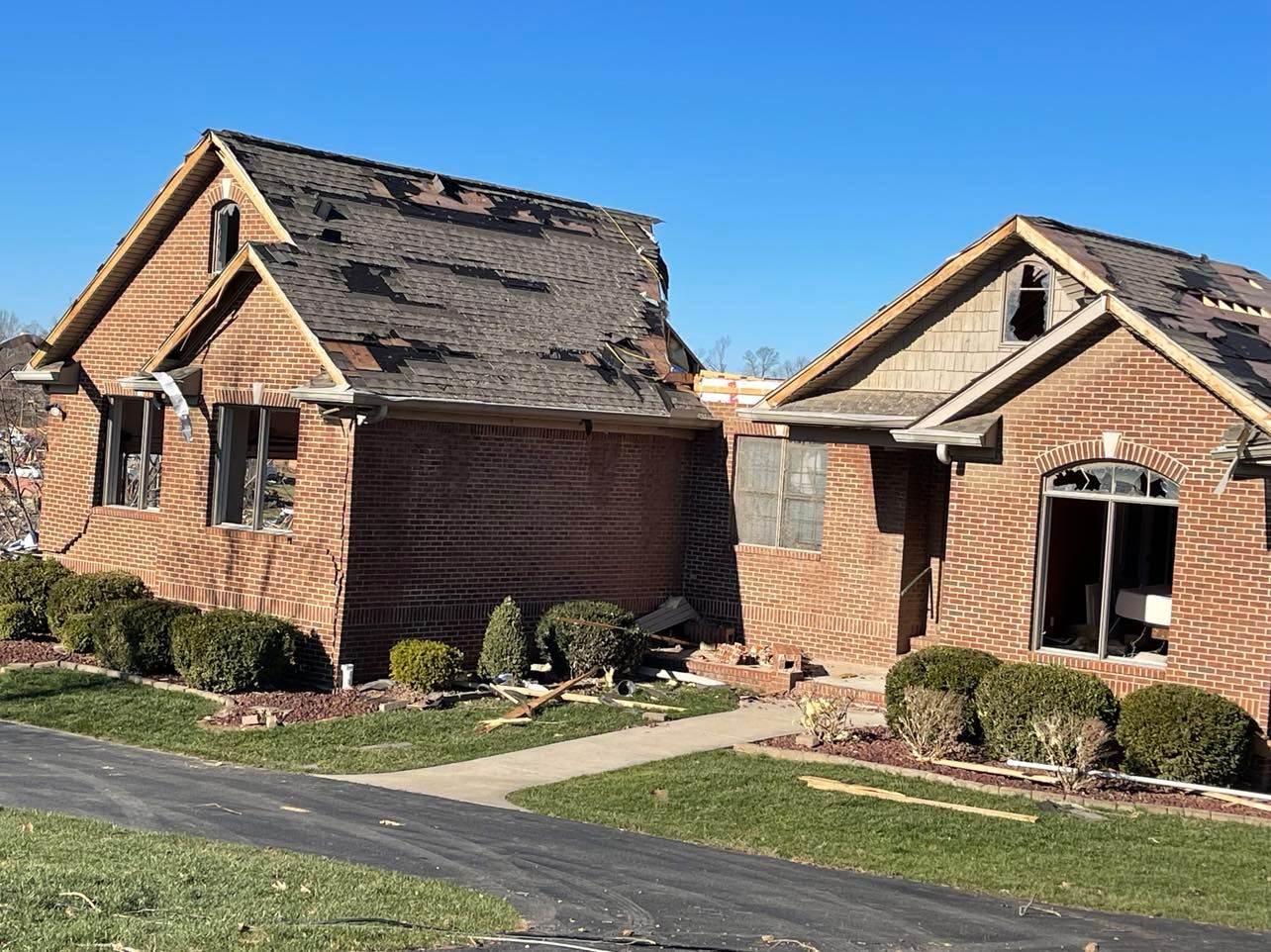
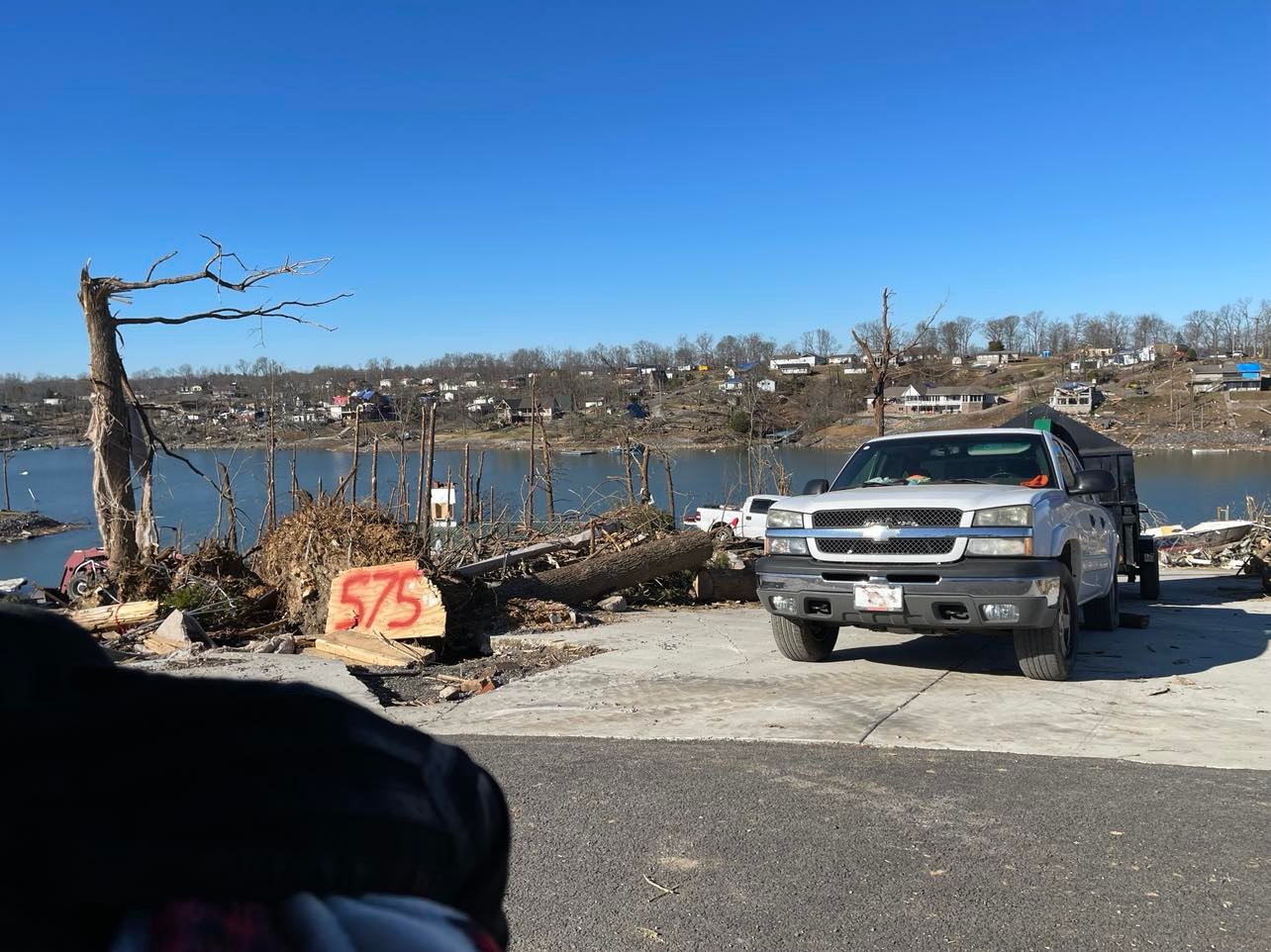
Is now in Kentucky serving clients affected by the tornados. Stop by our satellite location at 3205 US Highway 641 N in Benton, KY. We’re just down the road from the Kentucky Opry.