

Estimated reading time: 7 minutes
In recent years, insurance companies have stepped up efforts to curb what they describe as “aggressive contractors.” This term is used to characterize individuals or companies that pressure homeowners. They force them into signing post-loss agreements before an insurance claim is properly initiated. Although the term is sometimes used synonymously with “storm chaser,” regulators and insurers view the two differently. A “storm chaser” typically refers to an out-of-area contractor who follows large-scale weather events. They solicit repair work by going door-to-door making direct contact with the homeowner to initiate the sale. An “aggressive contractor” can be any contractor—local or not—using high-pressure or misleading sales tactics. They aim to secure business promptly after a loss.
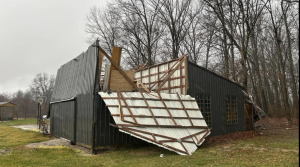
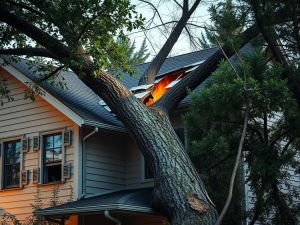
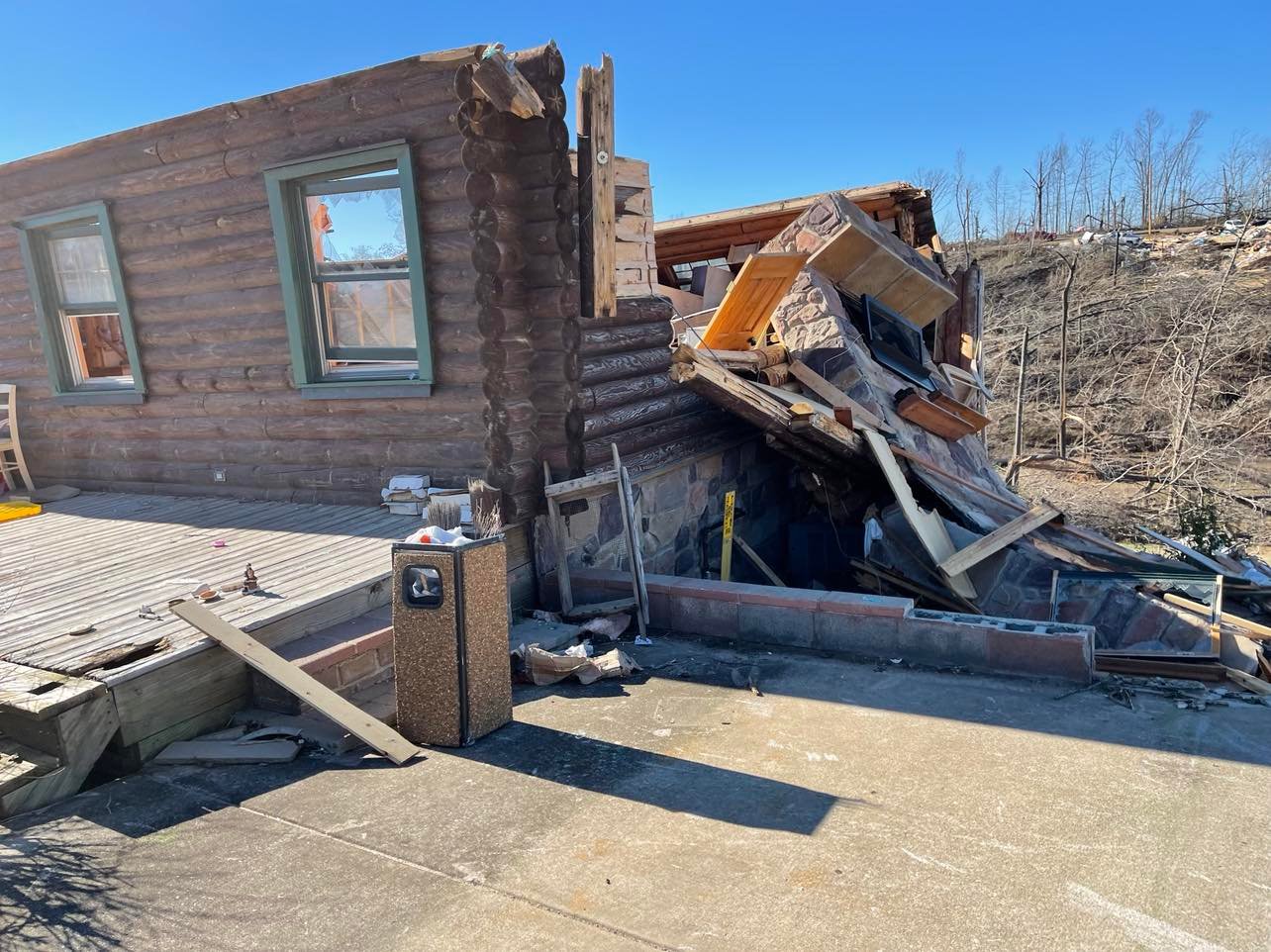
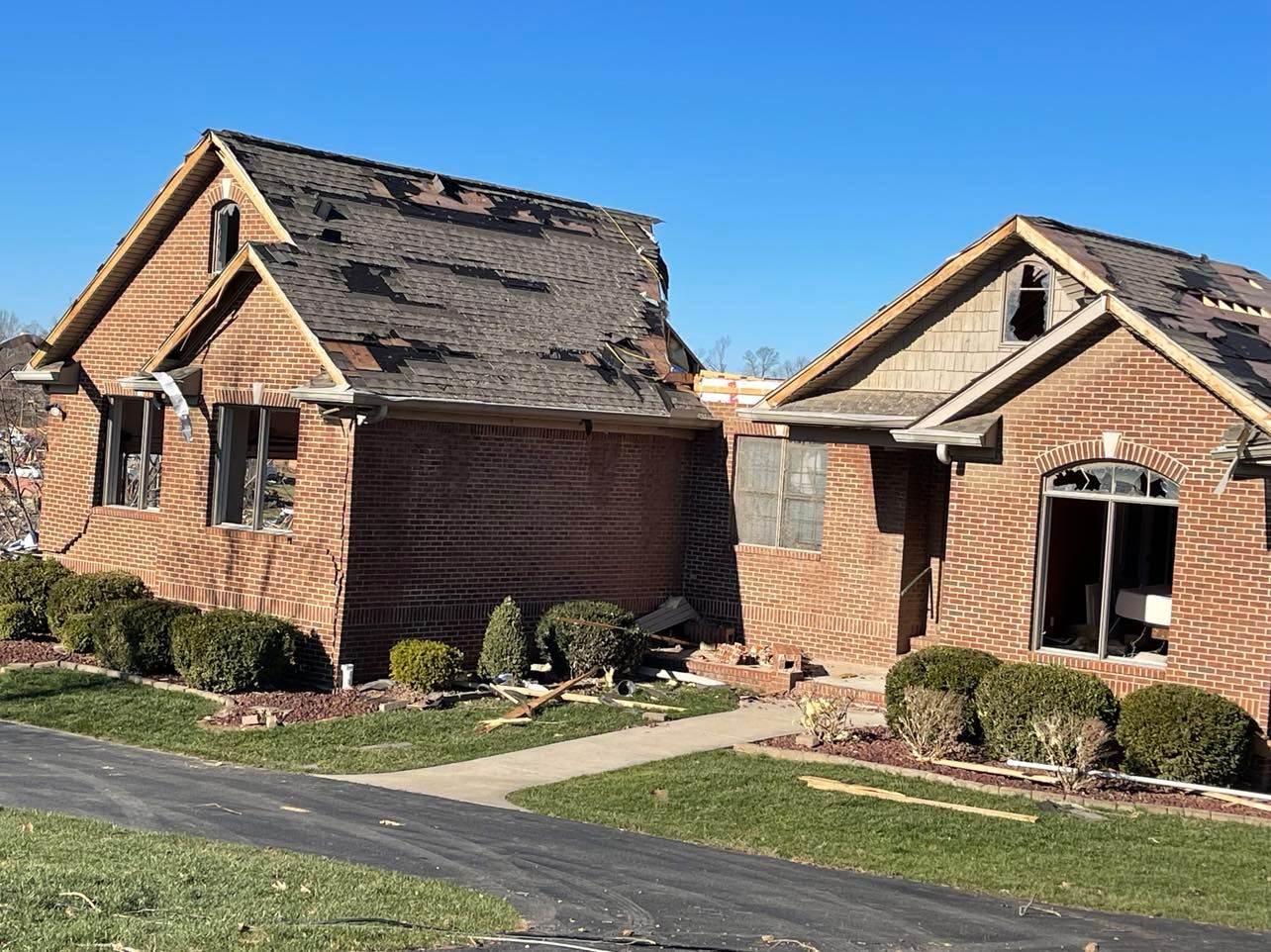
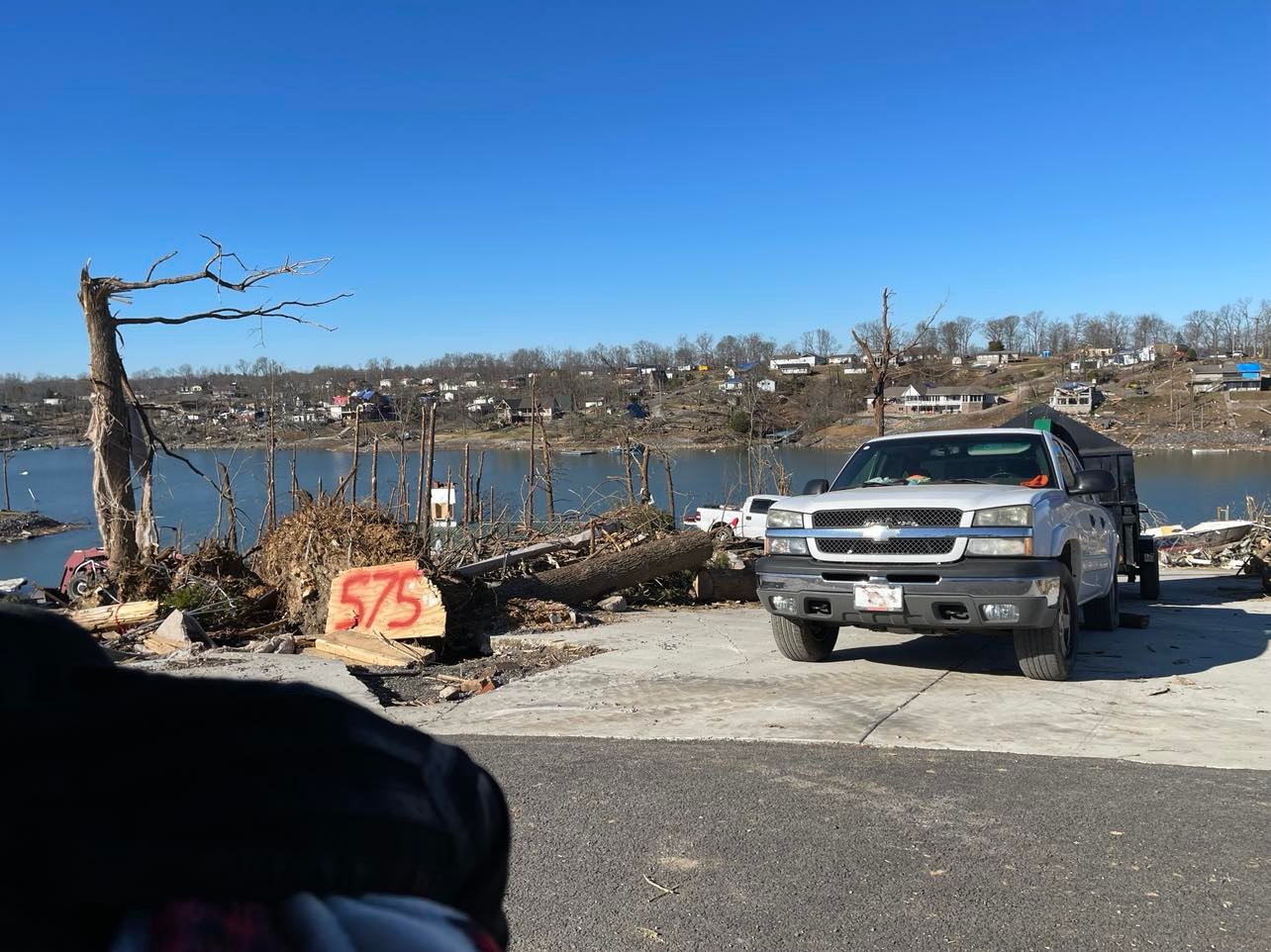
Large hail, wind, and severe storm events routinely expose property owners to these tactics. Inexperienced policyholders are unsure how to navigate the claims process. They can be pressured into signing contingency agreements, work authorizations, or “inspection” forms. These documents are later interpreted as binding contracts or attempts to control the adjustment of the insurance claim. This environment creates tension among contractors, insurance carriers, and public adjusters. Tension arises particularly when contractors try to influence the claim outcome. It also occurs when they negotiate directly with insurers.
To counteract these behaviors, states across the country have taken action. Some have enacted new legislation specifically targeting post-loss solicitation and coercive contractor practices. Others have issued strong regulatory reminders that the unauthorized practice of public adjusting (UPPA) is not permitted. Still others are clarifying or strengthening existing consumer protection statutes to close gaps exploited by aggressive actors.
How States Regulate “Aggressive Contractor” Behavior
From a legal and regulatory standpoint, contractor behavior is restricted or prohibited through several established frameworks:
1. Unauthorized Practice of Public Adjusting (UPPA)
Most states define—and strictly limit—who can represent a policyholder in the adjustment of an insurance claim. Contractors who speak for the homeowner, negotiate with the insurer, or interpret policy language risk violating UPPA statutes. Insurance carriers often classify this as a primary category of “aggressive” behavior.
2. Unauthorized Practice of Law (UPL)
A contractor can interpret contract provisions. They can also guide a homeowner to explain their legal rights or to pressure them into a settlement posture. But these actions can cross into legal territory. States treat UPL seriously, and enforcement actions are increasing, especially in catastrophe-heavy regions.
3. Statutes Specifically Designed to Curtail High-Pressure Tactics
Some states now regulate:
- “Right to cancel” requirements after a catastrophic event
- Prohibitions against signing contracts before an insurer inspects the property
- Restrictions on inducements (gift cards, rebates, etc.) used to lure homeowners into contracts
- Cooling-off periods or event-triggered solicitation moratoriums
These laws directly target the kinds of practices insurers label as “aggressive.”
4. Consumer Protection & Contractor Registration Laws
Many states enforce deceptive trade practice acts, unfair business practice statutes, and contractor licensing rules. These tools offer regulators broad authority. They can penalize contractors who misrepresent the claims process. They can also act against those who inflate estimates or pressure consumers into signing premature agreements.
Are “Aggressive Contractors” the Same as Storm Chasers?
Not exactly.
Storm chasers are often temporary, out-of-state contractors who travel to storm-affected regions and solicit repair work. They may or may not engage in improper conduct. Their defining feature is mobility and presence after a disaster.
Aggressive contractors, as used by carriers, refer to contractors—local or not—who employ post-loss tactics such as:
- Door-to-door pressure solicitation immediately after an event
- Claim negotiation or policy interpretation
- Signing policyholders to contracts before insurers are notified
- Inflating scopes of work to increase claim payments
While many storm chasers fall into the “aggressive” category, not all aggressive contractors are storm chasers. The terms often overlap in carrier narratives, but they are not interchangeable.
✅ What Ohio already has: statutes & regulations that help curb aggressive post-loss behavior
- The Ohio Revised Code § 3951 (the “Public Insurance Adjusters” statute) governs who may legally act as a public insurance adjuster. Anyone not licensed under that statute is prohibited from acting as an adjuster — which includes negotiating with insurers, representing a homeowner in a claim, or otherwise “adjusting” a loss.
- Under the implementing regulation Ohio Administrative Code Rule 3901‑1‑24 (effective as of Feb. 14, 2022), public adjusters are forbidden from simultaneously acting as contractors on repair work, or from soliciting losses, or offering inducements, or otherwise mixing adjustment services with repair/remodeling work. Therefore, an individual who holds out their ability to adjust the loss cannot also lawfully engage in the construction work needed to complete repairs.
- Violation of these rules can lead to license revocation or non-renewal by the state’s insurance superintendent. Currently, roofing contractors are not required to be licensed in the state of Ohio. This gap in regulation has been proposed several times without successful adoption to date.
- For typical home improvement contracts signed at a homeowner’s residence (rather than at a contractor’s place of business), the Ohio Home Solicitation Sales Act provides a three-day “cooling off” / cancellation period. That means any contract signed post-loss at the homeowner’s door can be rescinded — which helps deter high-pressure, immediate-solicitation by traveling contractors (“storm chasers” or “aggressive contractors”).
These existing statutory/regulatory tools are important foundations. They reflect that Ohio already acknowledges that unlicensed “public adjusting” or mixing repair + claim-handling work can be problematic — and sets boundaries to protect homeowners.
⚠️ Gaps or limited adoption — Why “aggressive contractors” remain a concern (and why regulatory pressure continues)
- Even though the law prohibits unlicensed adjusting, in practice many “aggressive contractors” operate as roofers, storm-repairers, or remodelers. They present themselves as helping the homeowner with the insurance claim. As one recent industry alert puts it: contractors “routinely meet with adjusters, prepare estimates, and explain damage scope to policyholders.” Those activities, “when limited to construction matters, are lawful and necessary.” However, the commentary warns how easy it is to “step over the line” into unlicensed public-adjuster activity. Green Public Insurance Adjusting
- There has been an attempt to enact more specific consumer protection legislation aimed at post-storm “scammers.” For example, consider Senate Bill 64 (Ohio) — introduced to “establish essential consumer protections” targeting unscrupulous residential roofing contractors. The bill is supported by the Ohio Insurance Agents’ association. It would make it harder for “storm scammers” to deceive homeowners. It would also make it more difficult for them to pressure homeowners after severe weather. Ohio Insurance Agents
- As of the latest publicly available summary, that legislation has not become a comprehensive statewide standard. It does not cover all forms of “post-loss solicitation.” The legislation remains at the level of proposals or partial protections. It has not reached a sweeping regulatory overhaul that bans all aggressive post-loss contractor influence. At least nothing in 2025 seems to have done so.
In short: Ohio has a regulatory framework. It can deter unlicensed public adjusting. It does deter high-pressure post-loss contracting in some cases. But enforcement plays a key role. Gaps remain where bad actors can exploit ambiguity between legitimate repair work and improper claim-handling.
📈 Recent Developments & Industry Discussion (2024–2025)
- A 2025 alert from a restoration/adjuster advisory firm highlighted an important issue. Contractors can easily cross the line from legitimate repair services into improper “claim-management” services. That has spurred renewed calls within the industry. Homeowners are urged to verify licensing before relying on contractor-provided claim-negotiation services.
- On the legislative front, as noted, SB 64 was backed by insurance-agent interests. They emphasized more robust consumer protections. This signals that some in the industry believe existing laws may not be sufficient. This is especially relevant in the face of growing post-storm contractor activity.
- That said, there is no widely publicized 2024–2025 “anti-storm-chaser statute” sweeping Ohio. Instead, efforts continue in piecemeal fashion — via enforcement of licensing laws, public-adjuster regulation, and targeted consumer-protection bills (roofing, home-improvement, etc.).
💡 What This Means for Stakeholders
- When discussing “regulatory efforts,” it’s accurate to say that Ohio relies primarily on licensing and regulation of public adjusters. It also uses general home-solicitation laws to curb aggressive post-loss behavior. Those laws are active, enforceable, and form the legal backbone.
- Many “aggressive contractors” present themselves as legitimate home-improvement or repair companies. Because of this, the line between lawful and unlawful can be subtle. Insurers and consumer-advocacy groups continue to see value in pushing for more explicit legislation (like SB 64).
- For homeowners: comply with licensing laws. Check that any contractor or adjuster is licensed. Use the three-day cancellation period for home-solicitation contracts. These remain the most effective safeguards.
A Balanced Perspective
While some contractors do cross legal boundaries, many reputable restoration and roofing companies provide essential services in times of crisis. The challenge for states and regulators is distinguishing legitimate post-loss assistance from unauthorized claim handling.
Clear guidance, educational outreach, and improvements in policyholder awareness remain critical. Property owners benefit when they understand:
- Their right to representation
- Their obligation to notify their insurer promptly
- The difference between repair services and claims advocacy
- How to verify contractor licensing, registration, or PA certification
Contractors also benefit from clarity, particularly as states expand enforcement and refine legislative definitions that directly affect their business models.
Disclaimer
Employees of Green Public Insurance Adjusting are not attorneys and are not providing legal advice. This blog is for informational and educational purposes only.