
Estimated reading time: 4 minutes
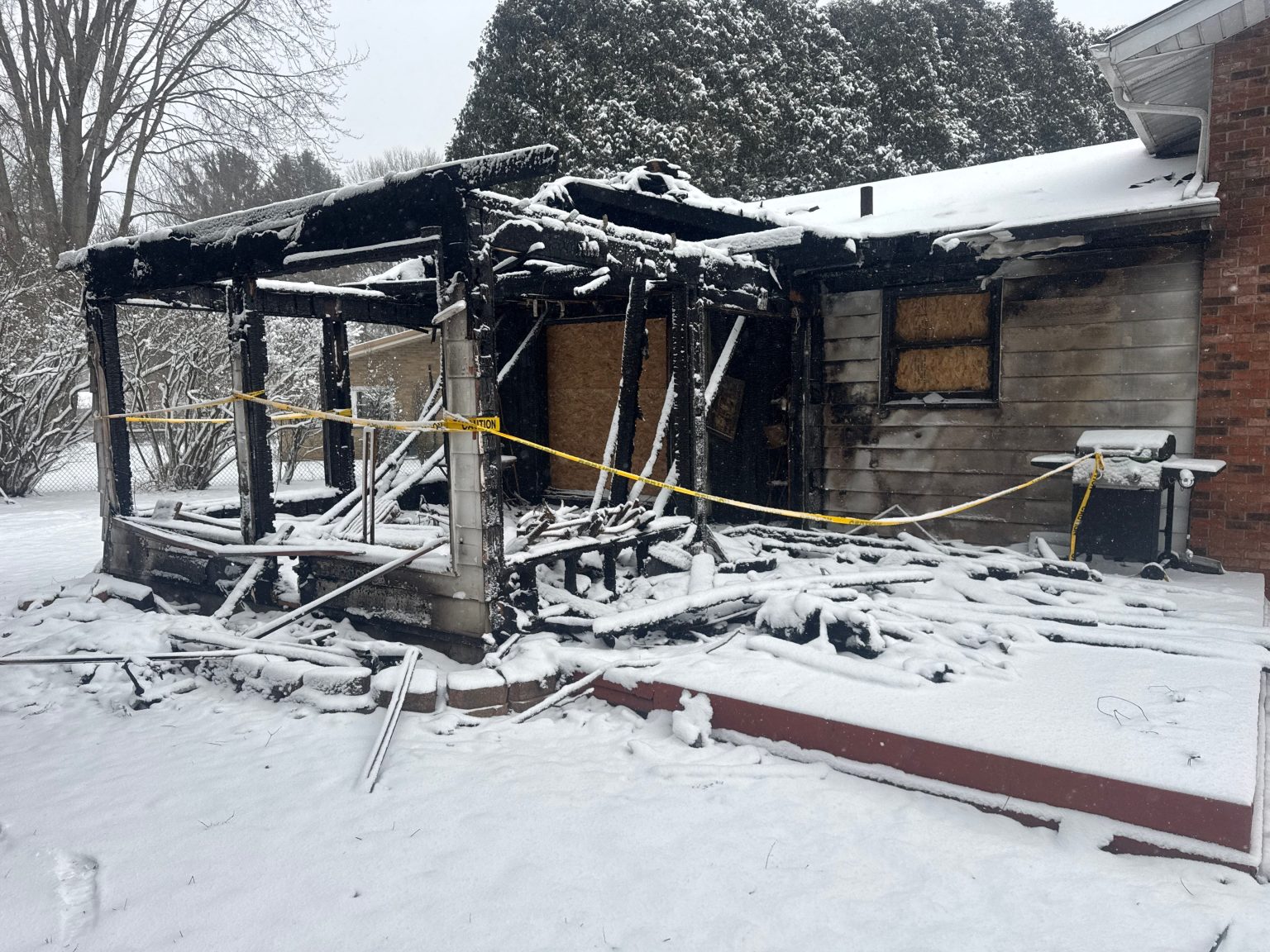
A house fire is one of the most disorienting experiences a homeowner can face. In the span of minutes, your home, belongings, routines, and sense of security can all be disrupted. In the days that follow, you may feel pressure to make quick decisions—often while still processing the shock of what happened.
Knowing what to do next (and what not to do) can make a meaningful difference in how smoothly your insurance claim proceeds and how fully you recover.
Below are several critical steps every homeowner should understand after a fire.
1. Do Not Rush the Investigation or Inspection
After a fire, insurance companies will send an adjuster to inspect the property. This inspection forms the foundation of your claim. What is documented—or missed—at this stage can directly impact your settlement.
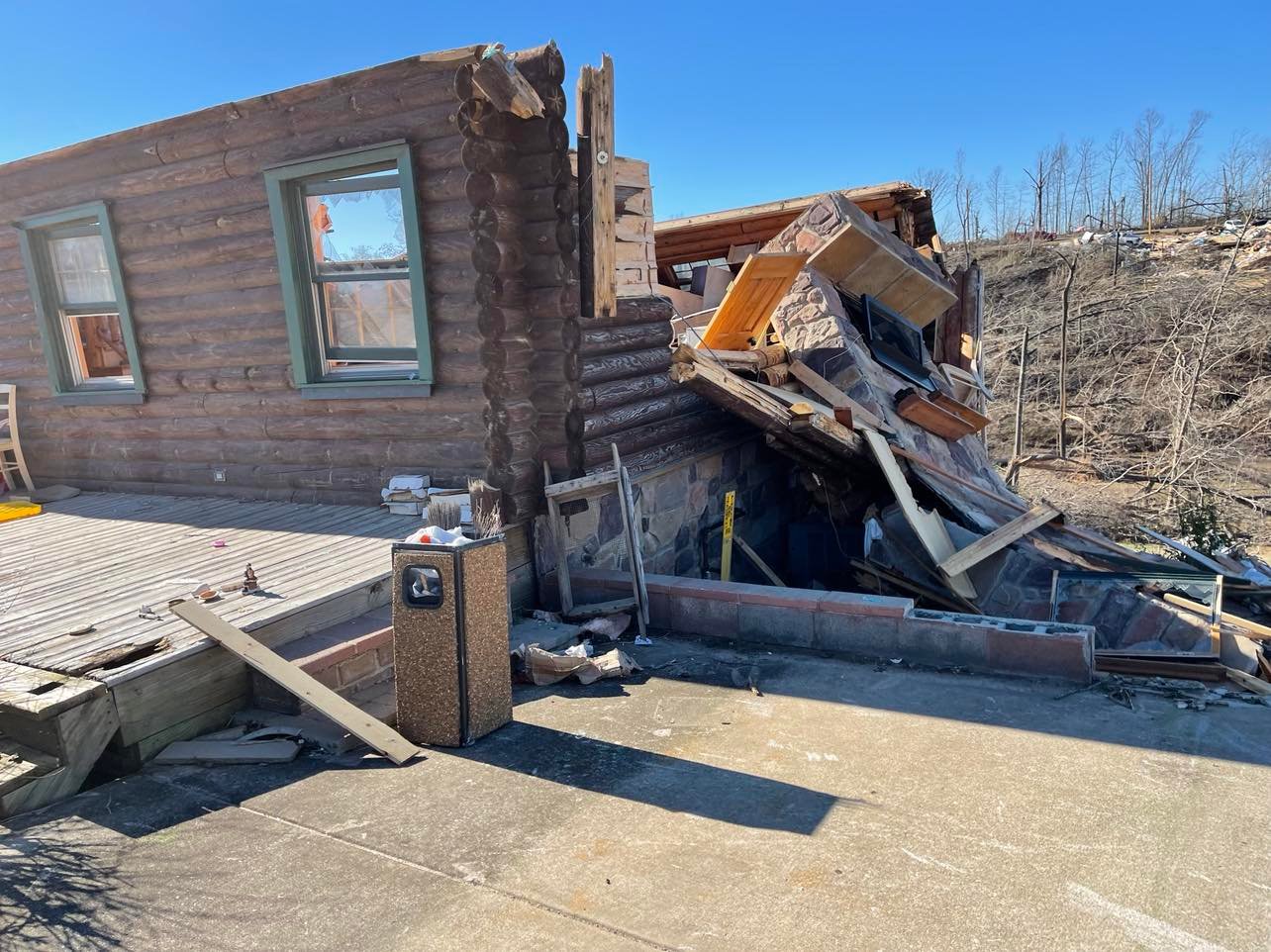
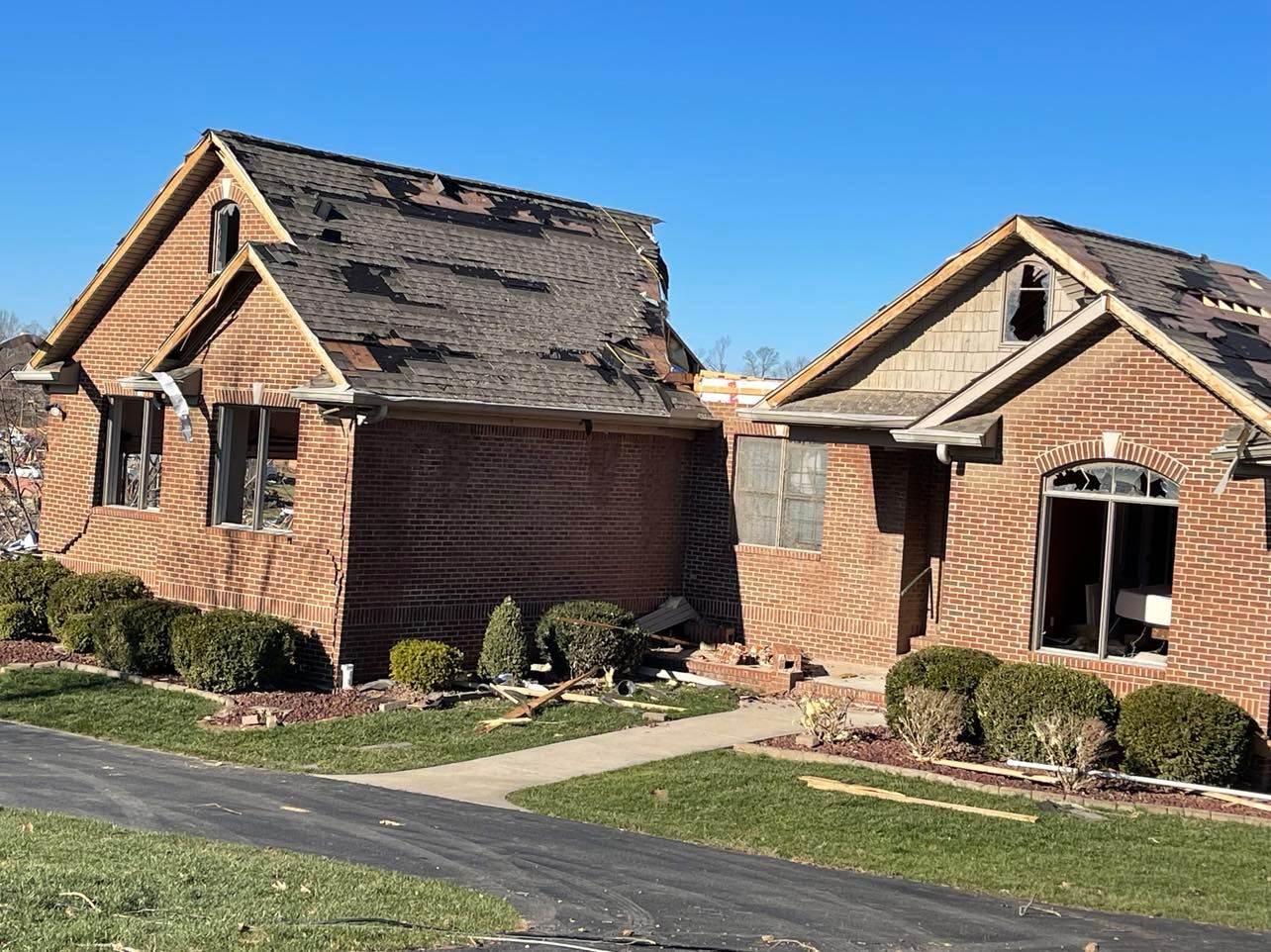
Fire damage is rarely limited to what you can see. Smoke migration, heat damage, structural compromise, and water used to extinguish the fire often affect areas far beyond the room where the fire originated. Inspections that are rushed or overly narrow can overlook these issues entirely.
This is where a public insurance adjuster can play a critical role. A public adjuster represents the policyholder—not the insurance company—and focuses on ensuring:
- The full scope of damage is identified
- Structural, mechanical, and environmental impacts are properly documented
- The claim reflects the true cost of repair or replacement, not just visible damage
A thorough, methodical inspection early in the process helps prevent disputes, delays, and underpaid claims later. CLICK HERE to request a consultation with one of our team members.
2. Understand Additional Living Expenses (ALE)—and Expect Friction
Most homeowners policies include Additional Living Expense (ALE) coverage, which is intended to reimburse you for the increased cost of living while your home is uninhabitable. This may include:
- Temporary housing
- Meals beyond your normal grocery expenses
- Laundry, transportation, and storage costs
- Pet boarding or other displacement-related expenses
While ALE coverage exists to help you, approvals are not always automatic. Homeowners frequently encounter:
- Delays in authorization
- Disagreements over what expenses are “reasonable”
- Requests for extensive documentation before reimbursement
Keeping receipts is essential—but so is understanding how your policy applies. A public adjuster can help interpret ALE provisions, communicate with the carrier, and reduce the likelihood that valid expenses are denied or delayed.
3. Do NOT Throw Away Damaged or Water-Logged Contents Without Written Authorization
This is one of the most important—and most commonly overlooked—rules after a fire.
Even if items appear ruined by smoke, soot, or water, do not discard personal property without written approval from the insurance adjuster (or your public adjuster). This includes:
- Furniture
- Clothing
- Electronics
- Rugs and textiles
- Water-logged items affected during fire suppression
Why does this matter?
Insurance companies often require the opportunity to inspect, document, or inventory damaged contents before agreeing to pay for them. Disposing of items prematurely can:
- Compromise your ability to prove the loss
- Lead to reduced or denied contents payments
- Create disputes that delay claim resolution
When removal is necessary for safety or sanitation reasons, written authorization protects you and preserves your claim rights. This is where a thorough documentation of your personal property early in the process helps prevents underpayments later.
Unfortunately, our experience has been that policyholders (mainly home owners) can recover less than 20% of the amount needed to replace their damaged items. This is because not all mitigation companies take the time to inspect the items before tossing them out. Their goal is speed and they have many clients to service. When its your personal items on the line, you will feel differently about a company that dedicates a team to spend 3-5 days really working through and cataloguing your lost possessions.
CLICK HERE to request a consultation with one of our team members.
4. Slow Down—Early Decisions Have Long-Term Consequences
After a fire, homeowners are often approached quickly by contractors, restoration companies, and vendors offering to “take care of everything.” While many are well-intentioned, moving too fast can create problems—especially if repairs begin before the claim is fully scoped and approved.
Taking time to assemble the right professionals, understand your policy, and document the loss properly often leads to better outcomes and fewer surprises.
Final Thought
A fire loss is not just a construction project—it is a complex insurance claim with financial, legal, and emotional dimensions. Careful documentation, informed decision-making, and proper representation can make the difference between a partial recovery and a fair one.
If you or someone you know has experienced a fire loss, seek guidance early, ask questions, and protect your rights before irreversible steps are taken.
Related Links:
- ACV Vs. RCV Explained: Why Your Insurance Check Is Usually Less Than Your Loss
- What Does A Public Insurance Adjuster Do — And When Should You Hire One?
- Winter Fire Prevention: Common Causes and How to Protect Your Property
- Suit Limitation Clauses In Insurance Policies: The Deadline That Quietly Ends Claims
- Preparing Your Claim After You Suffer Damages